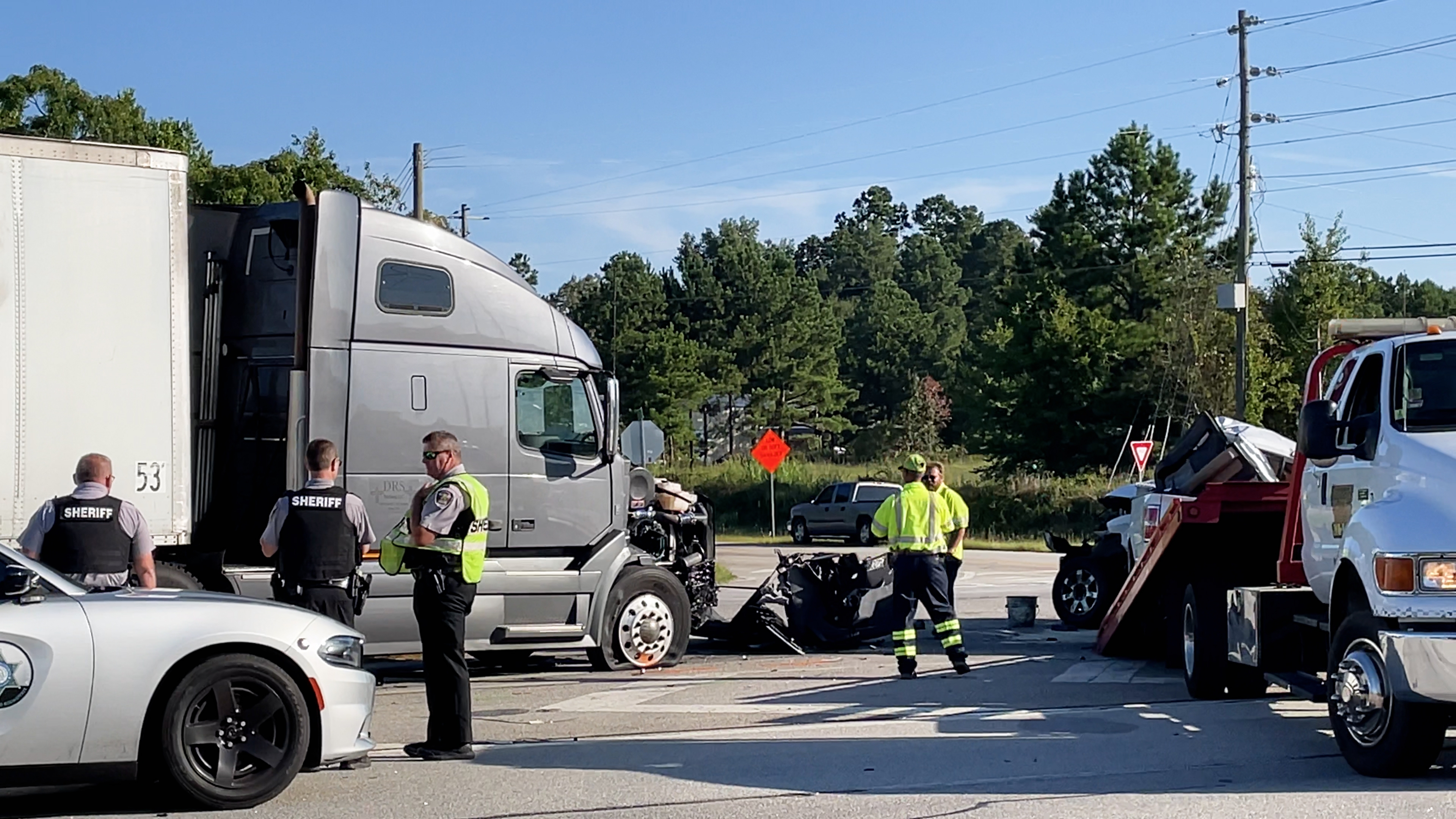
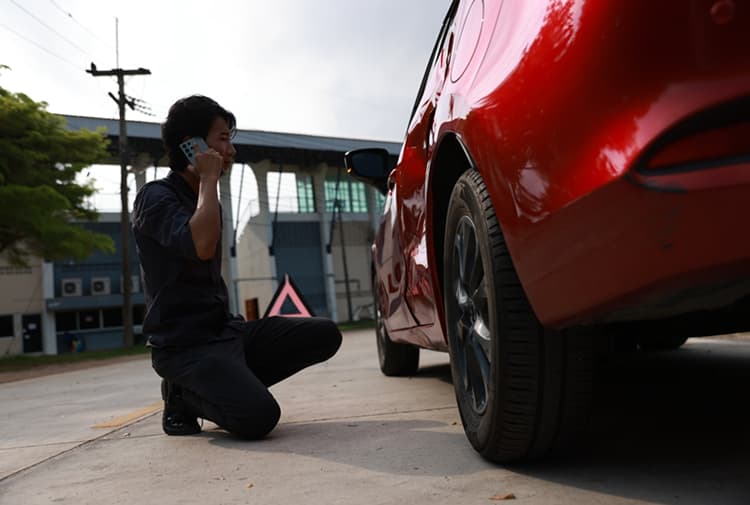
What Happens If an Uninsured Driver Hits You in South Carolina?
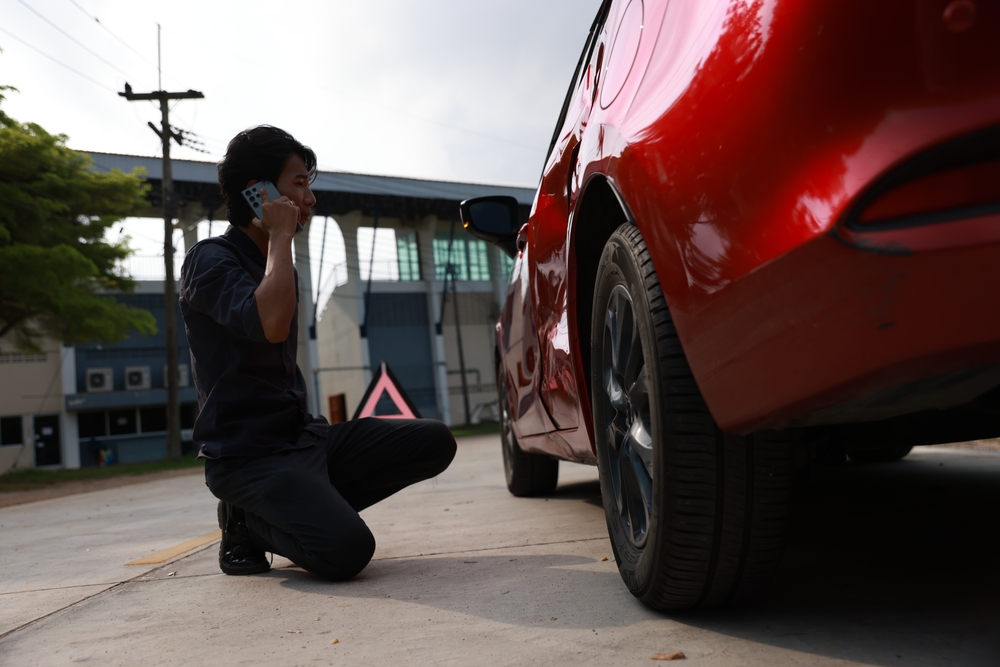
Being hit by an uninsured driver can leave you wondering how you’ll pay for medical bills, vehicle repairs, and lost income. Fortunately, South Carolina law Title 38, Chapter 77 on Insurance provides protections that may allow you to recover compensation even when the at-fault driver has no insurance.
How Common Are Uninsured Drivers in South Carolina?
South Carolina has one of the higher rates of uninsured drivers in the country. This means accidents involving uninsured motorists happen more often than many people realize.
Because of this risk, South Carolina generally requires auto insurance policies to include uninsured motorist (UM) coverage unless it has been properly rejected in writing.
What Is Uninsured Motorist Coverage?
Uninsured motorist coverage protects you when the driver who caused the accident does not have insurance.
Your UM coverage may help pay for:
Medical expenses
Lost wages
Pain and suffering
Future medical treatment
Vehicle damage (subject to policy terms)
Many drivers are surprised to learn that their own insurance policy may become the primary source of compensation after an uninsured driver accident.
What Is the Difference Between UM and UIM Coverage?
Uninsured Motorist (UM) coverage applies when the at-fault driver has no insurance.
Underinsured Motorist (UIM) coverage applies when the at-fault driver has insurance, but not enough to fully cover your damages.
For example, if your injuries result in $100,000 in damages and the at-fault driver only carries a $25,000 policy, your UIM coverage may help bridge the gap.
If the driver cannot be identified, you may still be able to pursue compensation through your UM coverage. Reporting the accident immediately and preserving evidence can be critical to protecting your claim.
Can You Sue an Uninsured Driver?
Yes. You can file a lawsuit against the at-fault driver even if they do not have insurance.
However, many uninsured drivers have limited assets, which can make collecting a judgment difficult. In many cases, an uninsured motorist claim provides the most practical path to compensation.
What Should You Do After an Accident With an Uninsured Driver?
If possible:
Call 911 and report the accident.
Seek medical attention immediately.
Take photos of the vehicles and accident scene.
Collect witness information.
Notify your insurance company.
Speak with a personal injury attorney before accepting a settlement.
Taking these steps can help preserve important evidence and strengthen your claim.
What Compensation Can You Recover?
Depending on the circumstances, you may be entitled to compensation for:
Medical bills
Future medical treatment
Lost wages
Reduced earning capacity
Pain and suffering
Emotional distress
Property damage
If the accident resulted in a fatality, surviving family members may also have grounds to pursue a wrongful death claim.
How Mastantuno Law Firm Can Help
Uninsured motorist claims are often more complicated than people expect. Even though the claim is made under your own policy, insurance companies may still dispute liability, injuries, or damages.
At Mastantuno Law Firm, we help accident victims identify available insurance coverage, document damages, negotiate with insurance companies, and pursue the maximum compensation available under South Carolina law.
Contact Mastantuno Law Firm
If you’ve been injured by an uninsured driver in South Carolina, contact Mastantuno Law Firm for a free consultation. We’ll review your case, explain your options, and help you understand the best path forward.
If you’ve been hurt in a car accident and you’re searching for settlement averages, here is the most important thing to understand before you read another word:
The average doesn’t tell you what your case is worth. It tells you what uninformed claimants accepted.
Published estimates typically place South Carolina car accident settlements somewhere between $15,000 and $75,000 for moderate injury cases. But those numbers blend minor fender-benders with catastrophic crashes, unrepresented victims who took the first offer with litigated cases that went the distance.
At Mastantuno Law Firm in Charleston, we work with South Carolina accident victims every day who were told by an insurance adjuster that their case was worth far less than it actually was. This guide is our attempt to give you the honest, detailed picture that most legal websites won’t, so you can make an informed decision about your claim.
Why “The Average” Misleads More Than It Helps
South Carolina does not publish official statewide settlement averages. The estimates you find online are drawn from reported verdicts, industry surveys, and attorney data, and the variance is enormous.
That so-called “average” includes:
Soft tissue cases where an unrepresented claimant accepted $4,500 from an insurer three weeks after the crash
Rear-end collisions with minor treatment and no lost wages
Catastrophic injury cases worth $1 million or more that skew the number upward
A 45-year-old with a lumbar disc injury requiring surgery, six months of missed work, and permanent nerve damage has a case that looks nothing like a 22-year-old with two weeks of chiropractic care and no lasting symptoms.
What Actually Determines Your Settlement Value
South Carolina personal injury law allows accident victims to recover compensation across several distinct categories of damages.
Medical Expenses — Past and Future
Your medical bills form the foundation of your claim.
Every dollar spent from the moment of impact forward is recoverable, including:
Emergency room treatment and ambulance transport
Surgery, hospitalization, and specialist consultations
Physical therapy, chiropractic care, and rehabilitation
Prescription medications and medical equipment
Projected future medical costs
If your injuries require future surgery, ongoing pain management, or long-term physical therapy, those costs belong in your claim.
Lost Wages and Loss of Earning Capacity
If your injuries prevented you from working, even for two weeks, you are entitled to recover that income.
Lost wage claims include:
All wages, salary, or hourly pay missed during recovery
Sick days and PTO you were forced to exhaust
Lost bonuses, commissions, or self-employment earnings
Loss of future earning capacity when injuries permanently affect your ability to work
Calculating that loss properly requires vocational experts and economic analysts, professionals that a well-resourced personal injury firm will engage on your behalf.
Pain and Suffering
Pain and suffering, classified under South Carolina law as non-economic damages, compensates you for harms that don’t come with a receipt.
These damages may include:
Physical pain, both past and ongoing
Emotional distress, anxiety, and post-traumatic stress
Loss of enjoyment of life
Inability to participate in activities, hobbies, or relationships you valued before the crash
Sleep disruption, depression, and chronic pain syndrome
South Carolina imposes no cap on pain and suffering damages in standard car accident cases.
There is no ceiling.
How Is Pain and Suffering Calculated?
The most common method is a multiplier applied to economic damages.
Your total medical bills and lost wages are multiplied by a factor, typically between 1.5 and 5, that reflects the severity and permanence of your injuries.
A soft tissue injury with a full recovery might warrant a 1.5 multiplier.
A permanent disability or disfigurement may support a 4 or 5 multiplier.
Example:
$50,000 in medical bills and lost wages multiplied by a factor of 3.5 produces $175,000 in pain and suffering damages.
The total damages figure becomes $225,000 before any negotiation begins.
Property Damage
Vehicle repair or replacement is a separate recoverable category.
Insurance companies sometimes use early property damage settlements as leverage to get you talking about your injury claim before you understand its full value.
Punitive Damages
In cases involving drunk driving, extreme speeding, street racing, or other conduct that reflects a conscious disregard for human life, South Carolina courts can award punitive damages.
They are designed to punish the defendant’s conduct and deter similar behavior in the future.
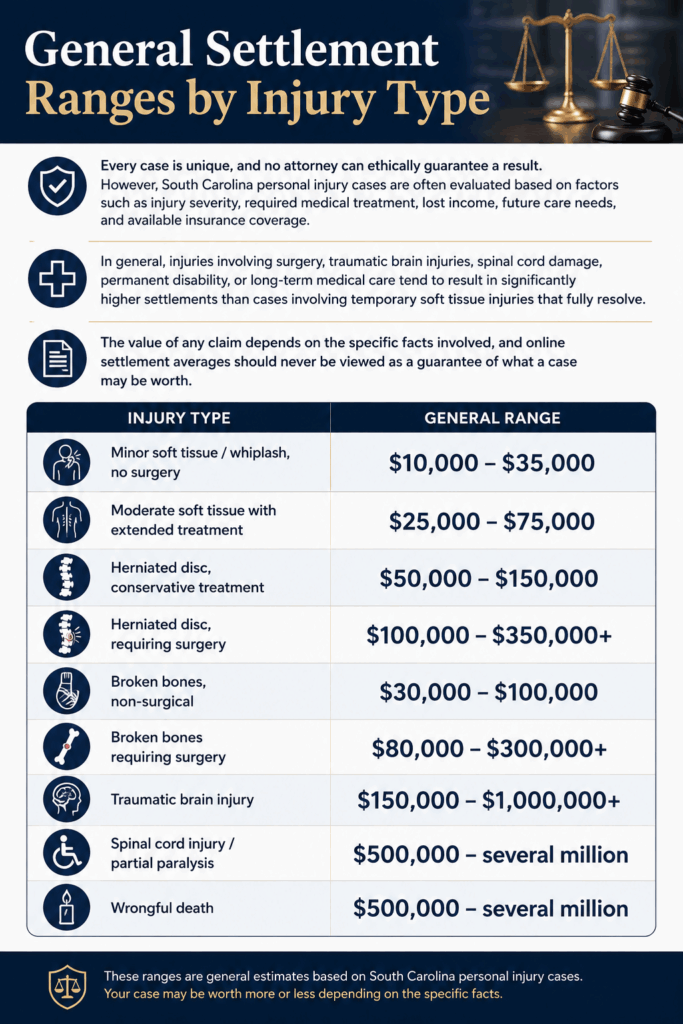
General Car Accident Case Settlement Ranges by Injury Type
In general, injuries involving surgery, traumatic brain injuries, spinal cord damage, permanent disability, or long-term medical care tend to result in significantly higher settlements than cases involving temporary soft tissue injuries that fully resolve.
The value of any claim depends on the specific facts involved, and online settlement averages should never be viewed as a guarantee of what a case may be worth.
South Carolina’s Comparative Negligence Law and What It Means for Your Recovery
South Carolina follows a modified comparative negligence rule under S.C. Code § 15-38-15.
In plain terms:
If you are 50% or less at fault, you can recover damages, but your award is reduced proportionally by your share of fault.
If you are 51% or more at fault, you are barred from any recovery.
Example:
A jury awards you $100,000 but finds you 20% at fault for following too closely. Your net recovery would be $80,000.
Insurance adjusters use comparative fault aggressively. They will look for any evidence, including a dashcam angle, a prior statement, or a witness account, that assigns you partial responsibility for the crash.
At Mastantuno Law Firm, we anticipate these arguments from the start and build our case to counter them with the evidence needed to hold the at-fault driver fully accountable.
The Insurance Company’s Playbook — and How to Counter It
Why First Offers Are Almost Always Too Low Initially
An insurance adjuster’s job is to close claims as cheaply as possible.
Common tactics include:
Early contact before you understand the full extent of your injuries
Recorded statements that may later be used against you
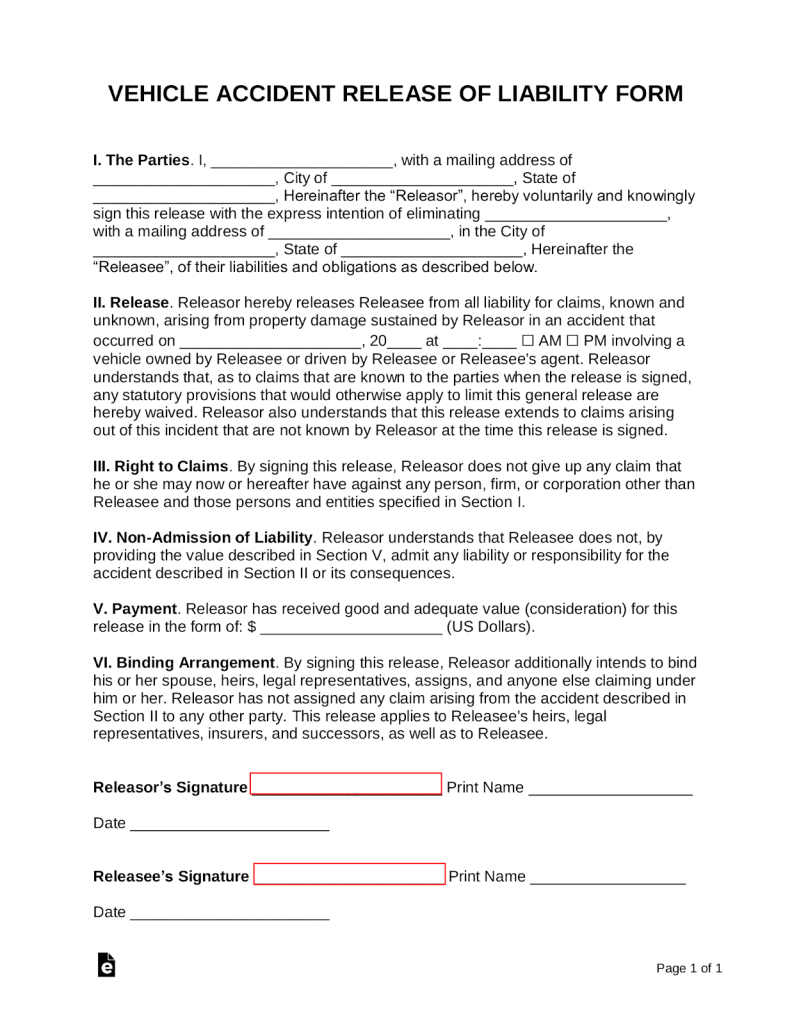
Quick releases that permanently waive your right to additional compensation
Attempts to minimize future medical treatment and long-term damages
Signing a release before you reach maximum medical improvement, the point at which your doctors understand the long-term effects of your injuries, can be one of the most costly mistakes an accident victim makes. Once signed, it generally cannot be undone.
Policy Limits
South Carolina requires drivers to carry minimum liability coverage of:
$25,000 per person for bodily injury
$50,000 per accident for bodily injury
When available coverage is limited, additional recovery strategies may become important, including:
Umbrella insurance policies
Employer vehicle coverage
Commercial insurance policies
Uninsured motorist coverage
Underinsured motorist coverage
Uninsured and Underinsured Motorist Coverage in South Carolina
South Carolina law requires insurers to offer uninsured motorist (UM) and underinsured motorist (UIM) coverage to policyholders.
This coverage helps protect you when:
The at-fault driver has no insurance
The at-fault driver’s insurance limits are insufficient to cover your losses
For example, imagine a driver rear-ends you on I-526 and carries only the state minimum insurance limits. If your medical bills alone exceed those limits, your own UM or UIM coverage may provide additional compensation.
Local Conditions That Could Affect Your Claim
Charleston, SC has become one of the busiest driving environments in South Carolina. Population growth, seasonal tourism, and aging infrastructure contribute to an increased number of crashes throughout the region.
Key Charleston Accident Corridors
I-26 and Ashley Phosphate Road
This area has a long history of serious traffic accidents and remains one of the state’s most heavily traveled intersections.
I-526 and US-17
These corridors experience significant tourist traffic, especially during peak vacation seasons. Accidents involving out-of-state drivers can introduce additional insurance and jurisdictional complexities.
Port of Charleston Truck Traffic
Commercial trucks moving through the Port of Charleston create additional risks on I-26 and surrounding roadways.
Commercial vehicle accidents often involve:
Higher insurance limits
Federal trucking regulations
Multiple liable parties
More extensive investigations
Downtown Charleston Pedestrian Areas
Locations such as King Street and The Battery experience heavy pedestrian activity.
How Much Will You Actually Take Home?
Gross settlement figures are not the same as the amount that ultimately reaches your bank account.
Several deductions may apply, including:
Attorney fees
Medical liens
Medicare or Medicaid reimbursement claims
Case expenses such as expert witness fees and court costs
Example
A $150,000 settlement could include:
$40,000 in attorney fees
$25,000 in medical liens
$5,000 in litigation expenses
In that scenario, the net recovery would be approximately $80,000.
This is not a reason to avoid pursuing a claim.
Instead, it highlights the importance of understanding the full financial picture before accepting a settlement offer.
Experienced attorneys often negotiate medical liens and reimbursement claims, helping clients maximize the amount they ultimately keep.
Frequently Asked Questions
What is the average car accident settlement in South Carolina?
Most South Carolina car accident settlements range from $15,000 to more than $100,000 depending on injury severity, fault allocation, and available insurance coverage.
Serious injury cases involving surgery, permanent disability, or substantial lost income may result in significantly larger recoveries.
Does South Carolina cap pain and suffering damages?
No.
South Carolina does not impose a cap on non-economic damages in standard car accident cases.
Can I recover compensation if I was partially at fault?
Yes.
As long as you are 50% or less at fault, South Carolina law allows you to recover compensation. Your recovery will be reduced by your percentage of fault.
Should I accept the insurance company’s first settlement offer?
In most cases, no.
Initial settlement offers are often significantly lower than the full value of a claim.
Before accepting any offer, consider speaking with an attorney who can evaluate your damages and future needs.
What if the other driver had no insurance?
Your uninsured or underinsured motorist coverage may provide compensation.
Many drivers are surprised to learn that their own policy may offer protection in these situations.
How does a pre-existing condition affect my claim?
South Carolina follows the “eggshell plaintiff” doctrine.
If an accident aggravates a pre-existing condition, you may still be entitled to compensation for the worsening of that condition.
How long does a South Carolina car accident settlement take?
Some claims resolve within a few months.
More serious cases involving extensive treatment, disputed liability, or litigation may take one to three years or longer.
What is the deadline to file a car accident lawsuit in South Carolina?
In most cases, South Carolina’s statute of limitations is three years from the date of the accident.
Failing to file within that timeframe can permanently bar your claim.
Contact Mastantuno Law Firm for a Free Consultation
If you’ve been injured in a car accident anywhere in South Carolina, whether on I-26, I-526, US-17, or another roadway, understanding the true value of your claim is critical before accepting any settlement offer.
Before signing a settlement agreement or providing additional information to an insurance company, consider speaking with an experienced personal injury attorney.
We offer free consultations and work on a contingency fee basis. Contact us today
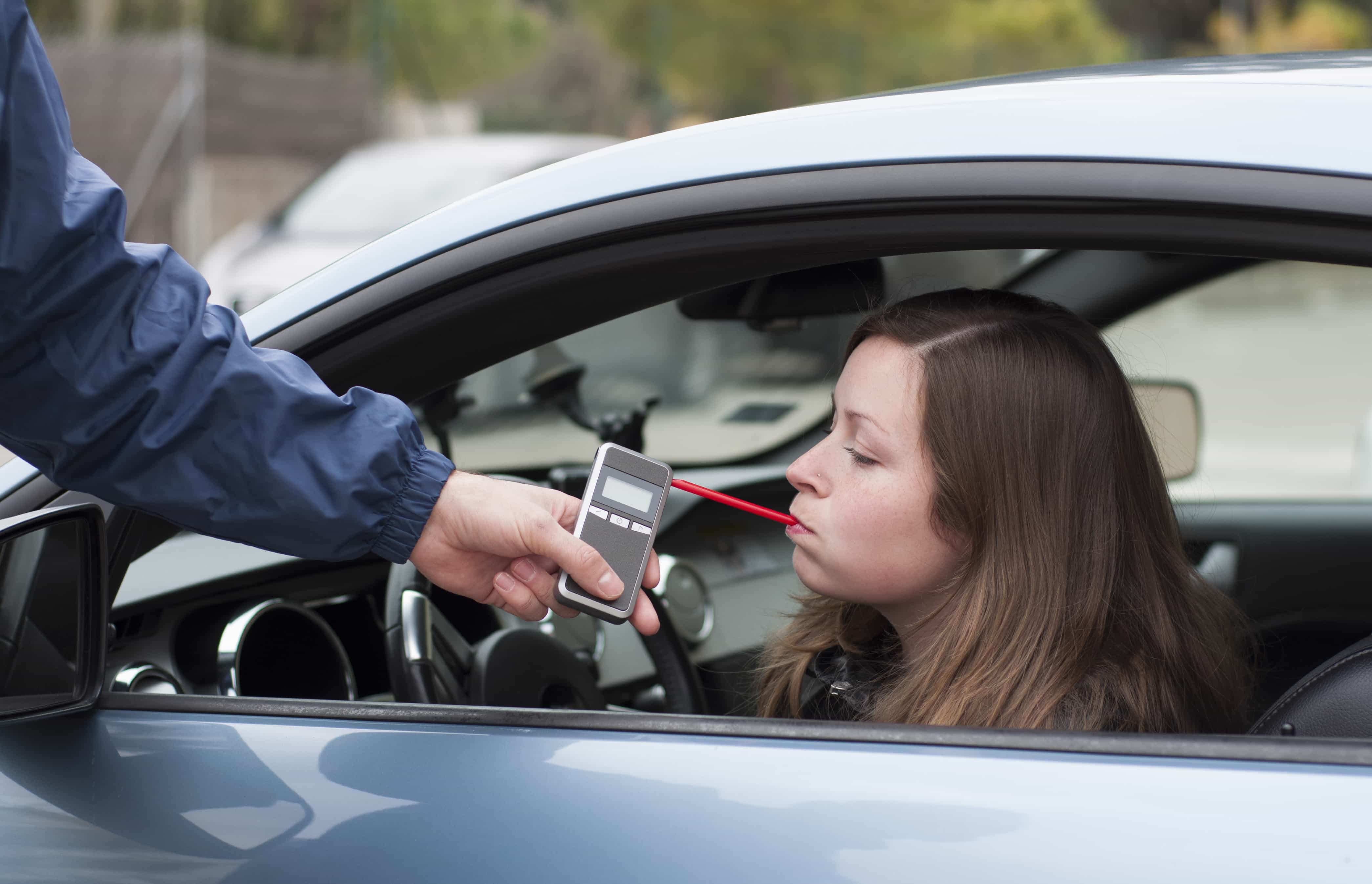
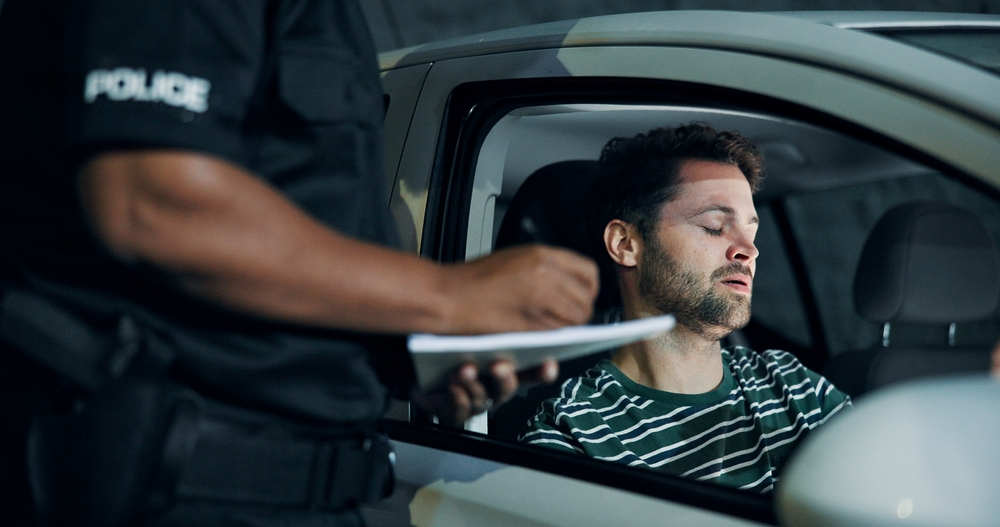
Heading into 2026, Charleston law enforcement has made it clear that DUI checkpoints will remain a core enforcement strategy, especially on weekends, holidays, and in high-traffic nightlife corridors.
Reports are coming in from Downtown Charleston, Folly Beach, and James Island. Local drivers are reporting increased police presence on key roads at night. But what many people don’t realize is that DUI checkpoints come with strict rules and rights that can directly impact whether an arrest will hold up in court.
Where Are Charleston DUI Checkpoints Being Set Up?
Charleston Police have confirmed recent DUI checkpoints in the following areas:
Recent and Historical Checkpoint Locations
Local media and official city alerts show that Charleston PD has deployed checkpoints at these locations over the past year:
Downtown near King St. Checkpoints. Parts of King Street closes down on weekend nights for all the foot traffic
Checkpoints often occur between 5 PM and 4 AM on major roads, including, but not limited to, Johns Island near Main/17, Brownswood, and Maybank Highway. Read More.
Johns Island on Berryhill Road near Kay Street, and US-78 near East Owens Drive, observed between 5 p.m – 11 p.m. Read More.
Folly Road near Albemarle Road and Calhoun Street near Pitt Street, observed between 9 p.m. – midnight on Thursday, March 27, 2025.Read More.
Sullivans Island Bridge, incoming traffic back into Mount Pleasant
Shem Creek Intersection at Coleman Blvd and Mill Street near Red’s Ice House and Shem Creek Restaurants
U.S. 17: In high-traffic areas like Charleston and Myrtle Beach, this corridor is heavily traveled by both tourists and locals, making it a common location for DUI enforcement.
U.S. 378 & U.S. 521: These major routes through Columbia and Sumter are frequently monitored, so drivers should expect an increased law enforcement presence.
SC 9: This roadway, particularly around Spartanburg and nearby communities, is regularly patrolled for impaired driving.
U.S. 76 & U.S. 501: Drivers traveling near Florence and toward Myrtle Beach can expect heightened DUI enforcement along these well-traveled routes.
New Year’s Eve Observed Checkpoints – four checkpoints at:
Morrison Drive & Jackson Street (8:00–9:30 p.m.)
Calhoun & Smith (9:45–11:15 p.m.)
Harborview & Highway 30 (9:30–10:30 p.m.)
Highway 61 near Sycamore Avenue (10:30 p.m.–midnight) News Sources.
Where Else Can You Get Pulled Over in Charleston?
Beyond formal DUI or traffic safety checkpoints, drivers in Charleston are frequently stopped on major arterial roads and high-traffic corridors where officers run routine patrols and saturation enforcement. This includes roads like Folly Road and Maybank Highway connecting James Island and Johns Island, main thoroughfares throughout West Ashley, and the Crosstown in downtown Charleston. Increased police presence is also common near nightlife and tourist areas such as King Street, Meeting Street, and East Bay Street. Outside the peninsula, drivers often encounter traffic stops in Mount Pleasant along Johnnie Dodds Boulevard, Highway 17, and Highway 26, particularly during evening hours, weekends, and periods of heavy congestion. These areas are consistently targeted due to traffic volume, prior accident data, and DUI arrest history.
What Should You Do If You’re Stopped at a Checkpoint?
If you find yourself in a DUI checkpoint in Charleston, here’s what to do:
Pull over safely and promptly. Use your turn signal, slow down, and pull over to a safe, well-lit area. Do not stop abruptly or drive excessively far before pulling over.
Turn off your engine and stay in the vehicle. Unless instructed otherwise, remain in your car with the engine off. Exiting your vehicle without being told can raise unnecessary suspicion.
Keep your hands visible at all times. Place both hands on the steering wheel where the officer can clearly see them. Passengers should keep their hands visible as well.
Wait before reaching for anything. Do not reach for your license, glove box, or console until asked. Sudden movements can be misinterpreted.
Provide required documents only. When requested, calmly provide your driver’s license, registration, and proof of insurance. You are not required to provide anything beyond these documents. Read More.
Limit conversation and do not volunteer information. Officers may ask casual questions such as “Where are you coming from?” or “Have you had anything to drink tonight?” You are not required to answer. A polite response like, “I prefer not to answer any questions,” is sufficient. Read More.
Be polite but firm about your rights. Do not argue, joke, or become confrontational. Calmly asserting your rights is far more effective than debating with an officer on the roadside.
Do not consent to vehicle searches. If asked for permission to search your vehicle, clearly say, “I do not consent to any searches.” Do not explain or justify your decision. Read More.
Follow instructions, even if you disagree. If an officer gives a lawful instruction, comply calmly. Disputes about legality should be handled later by an attorney, not during the stop.
Understand field sobriety and breath test consequences. Under South Carolina’s implied consent law, refusing a breath test can result in an immediate license suspension. In some situations, refusal may limit the evidence against you, but this decision depends on the facts of the stop. Field sobriety tests are voluntary, but officers may not clearly explain that. Speak with a DUI attorney as soon as possible after your arrest.
Do not attempt to “talk your way out” of the stop. Statements made during a checkpoint or traffic stop are often used as evidence. Silence cannot be used against you, but statements can.
If arrested, say nothing and request an attorney. If you are placed under arrest, clearly state that you wish to remain silent and want to speak with a lawyer. Then stop answering questions. Contact a DUI Attorney Today.
What Are Police Looking for at a Charleston Checkpoint?
While these stops may be advertised as routine “safety checks,” police are specifically looking for:
Impaired drivers
Open containers or drugs in plain view
Signs of intoxication, like slurred speech, bloodshot eyes, or the smell of alcohol
Suspended licenses, outstanding warrants, or expired registrations
You are not legally required to answer incriminating questions. You can—and often should—politely decline to answer beyond basic identification. If they ask, “Have you had anything to drink tonight?” you’re within your rights to say, “I’d prefer not to answer any questions.”
According to ABC News 4, these checkpoints often occur on Thursday, Friday, or Saturday nights between 9:00 p.m. and midnight.
Most target areas near downtown bars, bridges, and high-traffic corridors connecting the peninsula to surrounding areas like James Island, West Ashley, and North Charleston.
Law enforcement says the increased presence is data-driven: police analyze areas with the most DUI-related accidents, injuries, and fatalities to determine where to deploy resources.
Why These Locations for a DUI Checkpoint?
Police deploy checkpoints based on data-driven analysis—emphasizing trouble spots with high rates of DUI accidents or fatalities. After the fatal Morrison Drive hit-and-run in April 2024, city leadership intensified checkpoint enforcement especially around King Street and bridges into the peninsulaSource: Live 5 News.
Large-scale events, holidays like New Year’s Eve, and heavier enforcement times (evenings on weekends) often see saturation patrols and checkpoints in multiple zones across Charleston and neighboring areas DUI Checkpoint News: Live 5 News.
South Carolina DUI Checkpoint Law: What Matters
Checkpoint stops are legal in SC, but only if police strictly follow constitutional and statutory protocols:
Advance approval and use of pre‑determined stopping sequence (e.g., every car or every third car); no discretion per vehicle.
Visible signage, proper lighting, cone/barrier setup, trained officers and a supervising officer must be present.
Advance public notice of checkpoint locations and times, often via media or official alerts, is required.
The primary purpose must be public safety, not routine crime enforcement or increasing arrest quotas.
Failure to meet these standards—including inadequate notice or arbitrary stops—can provide grounds to challenge a DUI arrest at a checkpoint.
Typical Timing & Patterns to Know
Historical data and official alerts indicate the following:
Period/Event
Typical Locations
Time Range
Spring–May 2024
East Bay & South; King & Huger
~7 p.m.–10 p.m.
March 2025
Folly Road & Albemarle; Calhoun & Pitt
9 p.m.–Midnight
Late April 2025
King & Huger; Calhoun & Halsey
9 p.m.–Midnight
New Year’s Eve 2024
Morrison/Jackson; Calhoun/Smith; others
8 p.m.–Midnight
Are DUI Checkpoints Legal in South Carolina?
Yes, but the law requires that police follow specific guidelines. If these aren’t met, any resulting DUI charges may be subject to dismissal.
To be legal in South Carolina, a DUI checkpoint must:
Be authorized in advance by supervisory law enforcement
Use a pre-determined, non-random method of stopping vehicles
Have visible signage, cones, and lights to indicate it’s a lawful checkpoint
Be part of a neutral, public safety effort—not simply to boost arrest numbers
Offer advance public notice (which often appears in local media or police alerts)
If any of these factors are missing or improperly handled, your DUI charge could be vulnerable. Learn more about common defense strategies in our step-by-step DUI defense guide.
What Happens If You’re Arrested for DUI in Charleston?
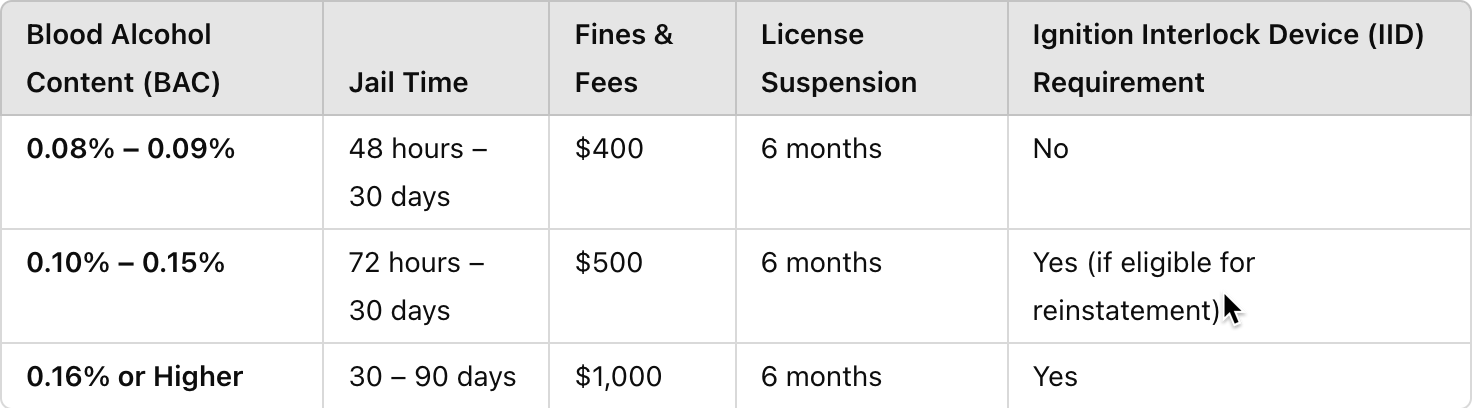
A first-time DUI charge in South Carolina can carry:
Fines and court costs
License suspension
Mandatory alcohol education programs
Possible jail time
Permanent criminal record
But not all DUI charges result in conviction. If the checkpoint was improperly set up or executed, the entire case can be challenged. Learn what to expect after a first-time DUI charge in SC, and how our criminal defense team can fight for your future.
Related Legal Issues
Checkpoint-related arrests aren’t always limited to DUI. At Mastantuno Law Firm, we also defend Charleston clients against:
If the checkpoint results in an accident or injury, we can help victims pursue compensation through apersonal injury claim. Insurance companies will often deny or undervalue these claims—especially when alcohol is involved.Here’s how to protect your rights.
Need Help After a DUI Arrest in Charleston?
Mastantuno Law Firm has successfully defended hundreds of DUI and criminal charges across Charleston, Mount Pleasant, Folly Beach, and the surrounding Lowcountry. We understand how DUI checkpoints work—and how to find the holes in the prosecution’s case.
Every year, thousands of drivers across South Carolina are involved in car accidents and truck accidents, and most are left asking the same question:
Who is actually responsible for paying for the damage?
The answer isn’t always as straightforward as it seems. South Carolina follows an “at-fault” system, but determining liability, and how much compensation you’re entitled to, depends on several key factors.
Understanding how fault works can make the difference between a lowball insurance payout and recovering the full value of your case.
If you’ve been involved in an accident, the best advice we can give you is to speak with a qualified South Carolina Personal Injury Attorney about your case before it’s too late. They can tell you if there is compensation to be recovered by hearing about your case.
Contact Form
Is South Carolina an At-Fault State?
Yes. South Carolina is an at-fault state, meaning the driver who caused the accident is financially responsible for the damages.
After a crash, the at-fault driver’s insurance company is typically responsible for covering:
Property damage
Medical expenses
Lost wages
Pain and suffering
However, just because someone appears at fault doesn’t mean the insurance company will accept full responsibility.
How Fault Is Determined in a Car or Truck Accident in South Carolina
Fault is determined using a combination of evidence, including:
Police reports
Witness statements
Photos and video footage
Vehicle damage analysis
Insurance investigations
In more complex cases, accident reconstruction experts may also be involved.
Insurance companies will conduct their own investigation, but their goal is to limit how much they pay, not necessarily to be fair.
What Happens If You’re Partially at Fault?
South Carolina follows a rule called modified comparative negligence.
Dealing With Insurance Companies (Where Most Cases Go Wrong) in Truck Accidents and Car Accidents
After an accident, insurance companies move quickly, and not in your favor.
Common tactics include:
Offering quick, low settlements
Asking for recorded statements to use against you
Delaying the claim process
Disputing liability
What many people don’t realize is that once you accept a settlement, you cannot go back and ask for more, even if your injuries worsen.
When Should You Hire a Personal Injury Attorney?
Not every accident requires legal representation, but many do.
You should strongly consider speaking with an attorney if:
You suffered serious or long-term injuries
Fault is being disputed
The insurance company is delaying or undervaluing your claim
Multiple parties are involved (especially in truck accidents)
An experienced attorney can help build your case, handle negotiations, and ensure you are not taken advantage of during the process.
Common Car Accident Cases in South Carolina
Some of the most common accident types seen across Charleston and throughout South Carolina include:
Rear-end collisions
Distracted driving accidents
Drunk driving crashes
Truck and commercial vehicle accidents
Motorcycle accidents
Each type of case presents unique legal and insurance challenges that can significantly impact the outcome.
A Personal Injury Attorney Who Will Fight For You
Car accidents can leave you dealing with far more than just vehicle damage. Medical bills, lost income, and long-term recovery can quickly become overwhelming.
Understanding how fault works, and what your case is truly worth, is critical to protecting yourself financially after an accident.
If you’ve been injured in a car accident in South Carolina, taking the right steps early can make all the difference in the outcome of your case.
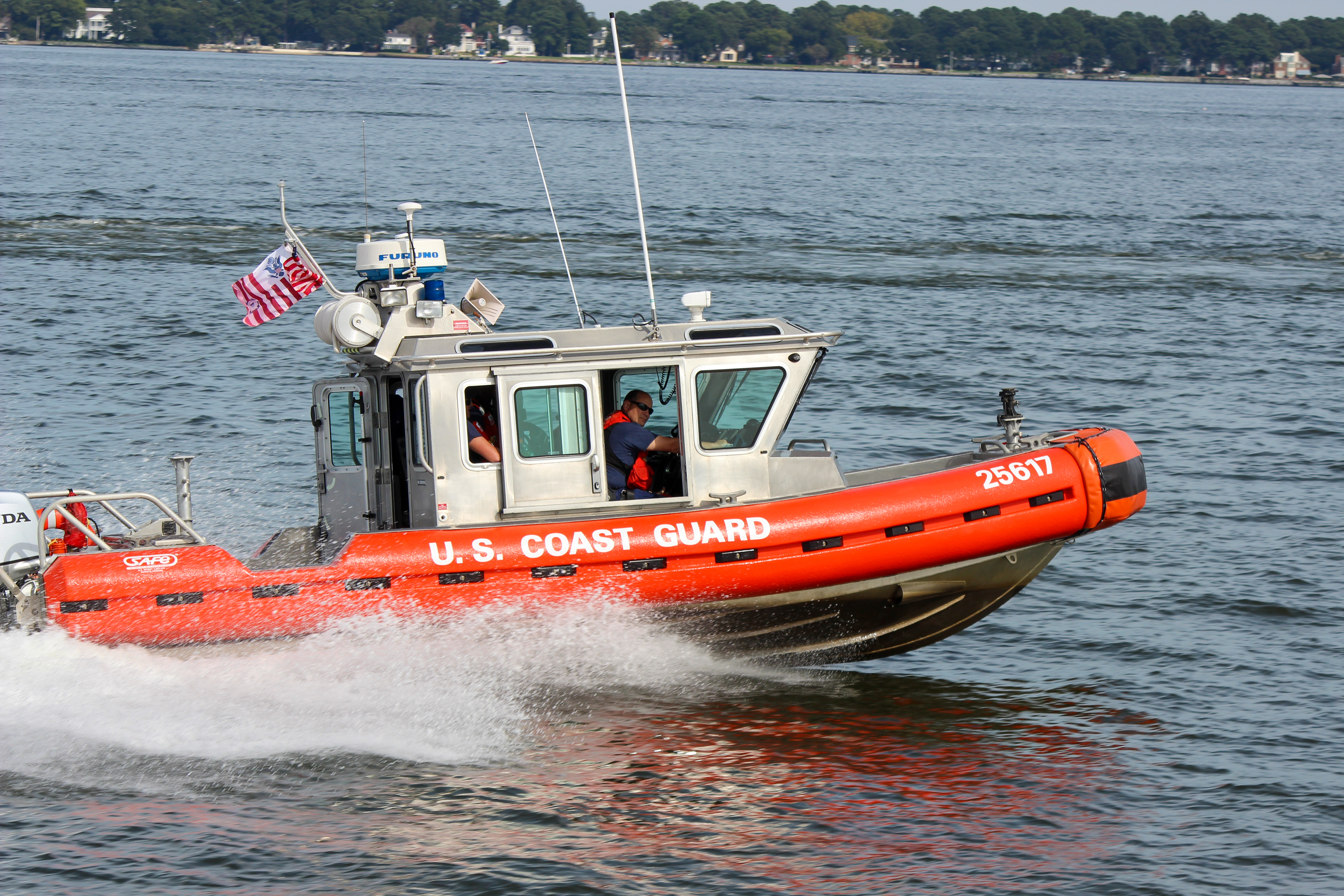
Charleston summer is almost underway, and BUI’s surge over summer, including arrests for Boating Under the Influence (BUI in SC), fatal accidents under bridges, and serious injuries tied to alcohol or operator negligence. This post explains what BUI means in South Carolina, recent cases in the Charleston area, how the law applies, and how Mastantuno Law Firm can defend you.
GET IN TOUCH
If You’ve Been Involved in a Boating Accident or Arrested for BUI, Call Now
Recent BUI-Related Incidents & Boating Accidents in Charleston, South Carolina
1. Fatal Boating Incident Under Bridge – Ravenel, July 2025
The South Carolina Department of Natural Resources and Charleston County Coroner are investigating a fatal boating crash in Ravenel at Tea Farm Creek. The boater, 22-year-old Tallon Goff, was killed after passing under a sunken or low-clearance bridge. The incident occurred around 7:38 p.m. on July 3, 2025, with one fatality confirmed during the investigation. Alcohol involvement has not been confirmed yet, but the SCDNR is leading the probe.
2. Skull Creek Capsizing – Beaufort County, June 2025
Near Pinckney Island, a vessel capsized, killing two older Howell County residents and injuring two others. While not directly tied to a BUI charge, such crashes often overlap with investigations of operator impairment or negligence.
3. Cooper River Crash – North Charleston, October (year unspecified)
Four people were ejected from a boat during a high-speed crash on the Cooper River. The operator was arrested for boating under the influence after admitting to drinking. One passenger was critically injured.
Under South Carolina law, operating a boat while impaired is prohibited:
Boat operators must adhere to the same BAC limits as vehicle drivers—typically 0.08% BAC (0.04% for commercial operators).
BUI charges can arise from intoxication affecting safe navigation, regardless of accident occurrence.
If alcohol or drugs contributed to a crash or unsafe operation, SCDNR and SLED often investigate and arrest the operator under BUI statutes.
In fatal or serious injury cases (like Ravenel and Skull Creek), BUI charges may accompany wrongful death or negligent operation investigations.
Why The Rise in BUI Arrests This Summer?
Factors contributing to increased BUI enforcement:
Summer crowds and rising boat traffic, especially around Folly Beach, Sullivan’s Island, and Johns Island waterways.
Promotional safety campaigns by SCDNR and channel advisories with heightened enforcement after sunset and around holidays.
High-visibility enforcement zones near bridges, marinas, and high-use intercoastal areas, where accidents and fatalities have historically clustered.
How to Protect Yourself if Facing a BUI or Boating Accident Charge
1. Examine the Stop & Investigation
Was there probable cause for a boating stop? SCDNR must follow appropriate protocol for operating enforcement.
Were sobriety or field sobriety tests conducted properly and recorded?
2. Scrutinize Evidence Handling
Were blood or breath tests conducted under partial SC guidelines?
Chain-of-custody and testing standards must be strict—improper handling can weaken prosecution.
3. Assess the Crash or Injury Scene
Did conditions (bridge clearance, signage, speed warnings) contribute?
Operator fatigue, equipment failure, or third-party responsibility may mitigate liability.
4. Explore Legal Defenses
Challenge procedural errors, improper evidence collection, or violations of constitutional rights.
Mitigate penalties on first-time BUI without major injuries through negotiation, diversion programs, or reduced charges.
How Mastantuno Law Firm Helps in BUI & Boating Accident Cases
Criminal defense experience: We defend BUI and boating-related charges alongside DUI cases across Charleston County and surrounding waterways. Learn more about our criminal defense practice.
Collaboration with investigation experts: We retain maritime safety specialists to review crash factors, bridge clearance liability, and navigation conditions.
Injury & wrongful death expertise: If you or a loved one was injured by an impaired boater, our personal injury team handles insurance claims, wrongful death litigation, and detail-oriented case construction.
Extensive legal resources: We reference and cross-link our in-house DUI/BUI guides such as our detailed DUI defense guide and insights from personal injury—e.g. medical records and injury claims for boating accidents with injuries.
Related Legal Topics & Internal Resources
Navigate first-time DUI or BUI charges with insights from our DUI/DUAC legal page.
Understand criminal defense service areas like boating-related prosecutions on our criminal defense overview.
Allen Mastantuno was born and raised in Charleston, SC. He graduated from the College of Charleston (B.A., 2003) and from the University of South Carolina School of Law (J.D., 2007).
After graduating from law school, he clerked for the Federal Public Defender’s Office in Charleston, SC gaining valuable experience in the Federal criminal system. From 2008 to 2010, Allen worked as a prosecutor for South Carolina’s Ninth Judicial Circuit which includes Charleston & Berkeley County.
He became the lead DUI prosecutor in the Berkeley County office and handled over 100 DUI cases ranging from DUI 1st Offense to Felony DUI Involving Death. As a prosecutor, he was extremely active in the courtroom, trying difficult and lengthy cases including such serious offenses as Armed Robbery and Burglary. While earning his reputation as a hard fighting trial attorney, he also assisted with and prosecuted hundreds of other cases ranging from Murder to traffic violations.
Since 2010, Allen Mastantuno has focused his entire practice on defending his client’s rights. He has successfully represented clients who face serious criminal charges or who have been injured in an accident. Examples of charges Allen Mastantuno has defended include: Murder, Attempted Murder, Armed Robbery, Arson, Criminal Sexual Conduct, Burglary, Felony DUI, Trafficking of Drugs, Manufacturing/Distribution of Drugs, Financial Crimes. If you have been charged with a crime Mastantuno Law Firm, LLC can help.
As a trial attorney, Allen Mastantuno has also helped people who have been seriously hurt. Whether you have been hurt in a car, motorcycle, boat or other vehicular accident Allen Mastantuno can help.
A first time DUI charge in South Carolina in 2026 can be an overwhelming experience. The law is strict when it comes to driving under the influence, and the consequences of a conviction can affect your driving privileges, career, finances, and reputation.
At Mastantuno Law Firm, we have extensive experience defending DUI cases in Charleston, SC, and throughout South Carolina. If you’ve been arrested for DUI, understanding what to expect can help you prepare for the legal process and protect your future.
Have You Been Arrested for DUI Recently? Contact Us Today
Contact Form
1. The Immediate Aftermath of a DUI Arrest
When you are arrested for DUI in South Carolina, you will go through several steps, including:
Booking and Processing: After your arrest, you will be taken to jail, where your fingerprints and mugshot will be taken.
Bond Hearing: Depending on the circumstances, you may be released on bond or your own recognizance.
License Suspension: If you refused a breath test or had a BAC of 0.15% or higher, your driver’s license is automatically suspended.
Notice of Suspension: You have 30 days to request an administrative hearing to fight the suspension.
What You Should Do:
Stay calm and avoid making statements to law enforcement—anything you say can be used against you.
Contact a DUI attorney as soon as possible to begin building your defense.
2. Understanding the Legal Process for a First-Time DUI
If you are facing a first-time DUI charge in South Carolina, you will go through the criminal court process, which includes:
Pre-Trial Motions and Evidence Review
Your DUI attorney will analyze the prosecution’s evidence, including:
Breathalyzer and field sobriety test results
Police dashcam and bodycam footage
The reason for the initial traffic stop
If there were errors in the arrest process, your lawyer may file a motion to dismiss certain evidence.
Trial or Plea Bargain
If your case goes to trial, the prosecution must prove beyond a reasonable doubt that you were driving under the influence.
Depending on the strength of the evidence, your lawyer may negotiate a plea deal for a lesser charge, such as reckless driving (a.k.a. a “wet reckless”).
3. Penalties for a First-Time DUI in South Carolina
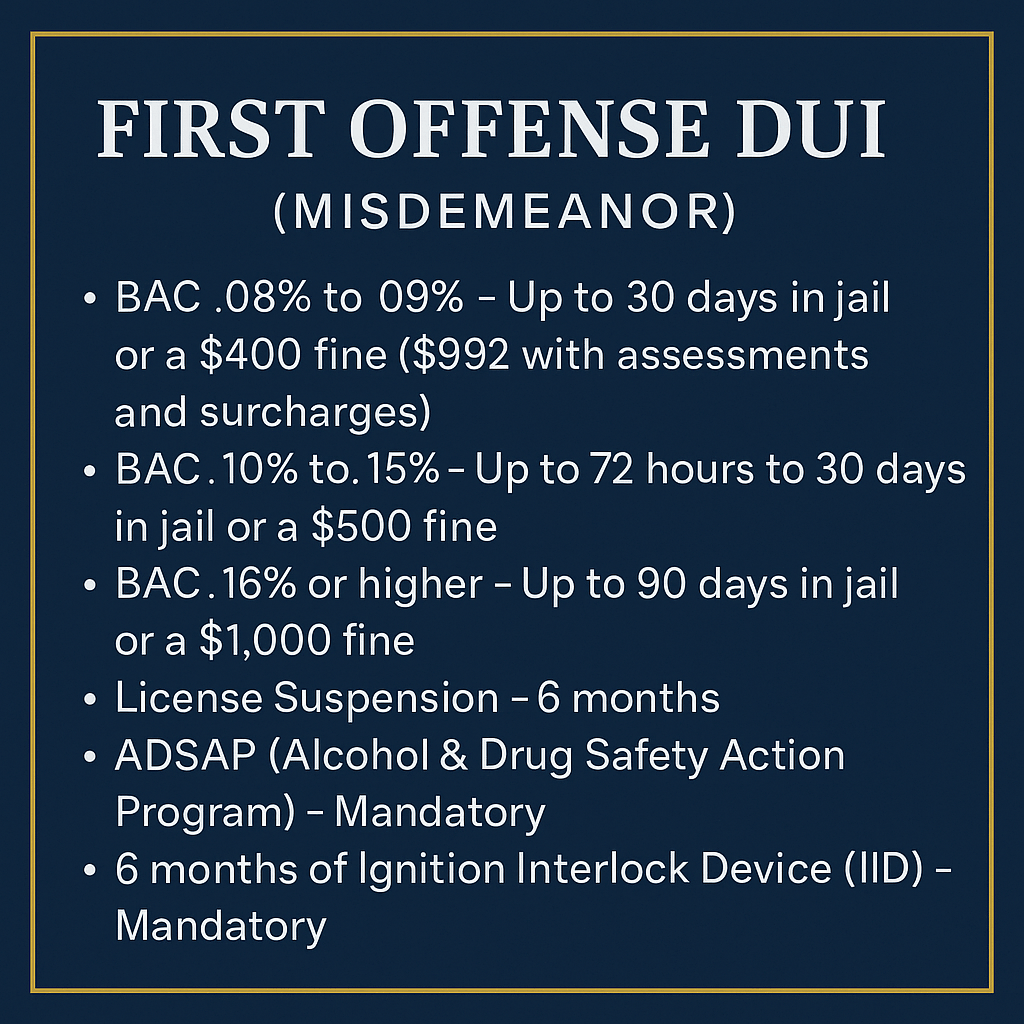
Even for a first offense, a DUI conviction can result in severe penalties, including:
Additional consequences include:
Mandatory Alcohol and Drug Safety Action Program (ADSAP)
Permanent criminal record (DUI convictions cannot be expunged in SC)
4. How a DUI Conviction Can Affect Your Future in South Carolina
A DUI conviction in South Carolina can have lasting consequences beyond the courtroom:
Employment Issues: Many employers run background checks, and a DUI conviction can impact your job opportunities.
Professional Licensing: If you hold a CDL, medical license, or law license, you may face disciplinary action.
Travel Restrictions: Some countries, including Canada, may deny entry to individuals with a DUI conviction.
Insurance Rate Increases: Your car insurance premiums will likely increase significantly.
First Offense DUI in South Carolina Penalties
5. Defenses Against a First-Time DUI Charge
A first-time DUI charge does not automatically mean a conviction. At Mastantuno Law Firm, we use proven defense strategies to fight DUI cases, including:
Challenging the Traffic Stop – If the police lacked probable cause, the entire case may be dismissed.
Breathalyzer & Field Sobriety Test Errors – Breathalyzers can produce false readings if they are not properly calibrated.
Violation of Miranda Rights – If the police failed to read your rights, key evidence may be thrown out.
Medical Conditions & External Factors – Certain health conditions or environmental factors can affect breathalyzer results.
6. Why You Need a South Carolina DUI Attorney
A DUI charge in South Carolina is serious. An experienced Charleston DUI lawyer can help you navigate the legal system and fight for a favorable outcome.
At Mastantuno Law Firm, we:
Analyze every detail of your case to identify weaknesses in the prosecution’s argument.
Challenge DUI evidence and breathalyzer accuracy.
Negotiate for reduced charges or alternative sentencing.
If you’ve been charged with a first-time DUI in South Carolina, don’t wait to seek legal help. The sooner you hire an attorney, the better your chances of minimizing penalties or getting the charges reduced.
After an accident, most people assume the hardest part will be healing. What they don’t realize is how easy it is to damage a personal injury case before it even has a chance to move forward.
In many situations, valid injury claims fall apart not because the injuries aren’t real, but because of avoidable mistakes made in the days and weeks following the incident. Understanding what not to do can make the difference between fair compensation and walking away with nothing.
1. Talking to Insurance Companies Too Soon
One of the most damaging mistakes people make is speaking with insurance adjusters before understanding their rights.
Insurance companies are not neutral parties. Their goal is to limit payouts, not to protect your best interests. Early phone calls may seem informal, but they are often used to gather statements that can later be taken out of context or used to minimize your injuries.
What feels like “just explaining what happened” can quickly turn into something that weakens your case.
2. Waiting Too Long to Get Medical Treatment
Delaying medical care is another mistake that can seriously undermine a personal injury claim.
Even if symptoms seem minor at first, waiting days or weeks to see a doctor gives insurance companies room to argue that:
Your injuries weren’t serious
Your injuries were caused by something else
You would have sought care sooner if you were truly hurt
Prompt medical evaluation creates a clear record connecting your injuries to the accident. That documentation often becomes the foundation of your claim.
3. Failing to Document the Accident and Injuries
Personal injury cases rely heavily on evidence. When documentation is missing, claims become harder to prove.
Common oversights include:
Not taking photos of the scene or visible injuries
Failing to obtain witness contact information
Not keeping records of medical visits or missed work
Relying solely on memory instead of written notes
Small details fade quickly, but insurance companies remember everything. Thorough documentation helps preserve the facts before they disappear.
4. Posting on Social Media After an Accident
Social media activity can quietly sabotage an injury claim.
Photos, comments, or check-ins that seem harmless may be used to suggest that injuries are exaggerated or that recovery is complete. Even unrelated posts can be twisted to challenge credibility.
Once something is online, it can be reviewed, saved, and presented as evidence. Staying offline about the accident, injuries, and recovery process is often the safest choice until the case is resolved.
5. Accepting a Settlement Too Early
Early settlement offers are rarely designed to fully compensate injury victims.
Insurance companies often make quick offers before the full extent of injuries is known. Accepting too soon can leave you responsible for future medical costs, ongoing treatment, or long-term limitations that weren’t obvious at the beginning.
Once a settlement is accepted, the case is typically closed permanently — even if new complications arise later.
6. Missing Important Legal Deadlines
Every personal injury case is governed by strict filing deadlines. Missing them can permanently eliminate your right to compensation, regardless of how strong the case may be.
These deadlines vary depending on the type of case and the circumstances involved. Waiting too long to take action can quietly close the door on recovery before you realize it.
7. Trying to Handle Everything Alone
Personal injury law is more complex than it appears on the surface. Many people unintentionally harm their cases by trying to navigate medical records, insurance negotiations, and legal procedures without guidance.
Early involvement from a personal injury attorney can help:
Protect communications with insurers
Preserve evidence
Identify the full value of a claim
Avoid costly procedural mistakes
The goal is not to rush into litigation, but to protect your position from the start.
Early Decisions Matter Most During Personal Injury Cases
Personal injury cases are often decided long before a lawsuit is filed. The choices made immediately after an accident shape how insurers view the claim and how strong the evidence will be months later.
Avoiding early mistakes helps ensure that your injuries, losses, and recovery are taken seriously — not dismissed or undervalued.
Protecting Your Case Starts With the Right Information
If you’ve been injured due to someone else’s negligence, knowing what to avoid is just as important as knowing what to do. The right steps early on can preserve your claim, protect your rights, and put you in a stronger position to recover compensation.
A brief consultation with a personal injury attorney can often clarify next steps and help prevent missteps that can’t be undone later.
Contact Allen J Mastantuno for a Consultation if You have Been Involved an in accident
After a car accident, slip and fall, or other traumatic event, many people walk away thinking they’re fine – only to wake up days later with pain, stiffness, or symptoms that weren’t there before. This delayed onset of injuries is more common than most people realize, and it can have serious medical and legal implications if ignored.
If you didn’t feel injured immediately after an accident, but symptoms appeared later, you are not alone – and you may still have a valid injury claim.
Why Some Injuries Don’t Show Up Right Away
Not all injuries are immediately obvious. In fact, adrenaline and shock often mask pain in the hours or even days following an accident. Your body goes into survival mode, suppressing pain signals until things calm down.
Common reasons injuries are delayed include:
Adrenaline masking pain
Inflammation developing over time
Soft tissue injuries worsening gradually
Internal injuries taking time to surface
Once adrenaline wears off and inflammation increases, pain and other symptoms often become much more noticeable.
Common Injuries With Delayed Symptoms
Certain injuries are notorious for appearing hours or days after an accident.
Whiplash and Neck Injuries
Whiplash is one of the most common delayed injuries after car accidents. Symptoms may include neck stiffness, headaches, shoulder pain, and reduced range of motion that worsen over several days.
Concussions and Head Injuries
Mild traumatic brain injuries may not cause immediate symptoms. Dizziness, confusion, nausea, sensitivity to light, or memory issues can appear days later.
Soft Tissue Injuries
Muscle strains, ligament damage, and tendon injuries often worsen as inflammation builds. These injuries may feel minor at first but become painful over time.
Back and Spinal Injuries
Herniated discs or spinal injuries may not be obvious right away. Pain, numbness, or tingling can emerge days or even weeks later.
Internal Injuries
Internal bleeding or organ damage can take time to show symptoms and can be life-threatening if untreated.
Should You Still See a Doctor If the Pain Shows Up Later?
Yes – absolutely.
If you start feeling pain or symptoms days after an accident, seek medical attention as soon as possible. Delaying care can worsen injuries and make recovery more difficult.
From a legal standpoint, seeing a doctor creates medical documentation that links your injuries to the accident. Without this documentation, insurance companies may argue your injuries are unrelated or pre-existing.
Can You Still File an Injury Claim If Symptoms Were Delayed?
Yes. Delayed symptoms do not automatically disqualify you from filing a personal injury claim.
However, insurance companies often use delayed treatment as a reason to deny or reduce claims. They may argue:
You weren’t actually injured in the accident
Your injuries were caused by something else
The injuries were minor and didn’t require treatment
This is why prompt medical evaluation and legal guidance are critical.
How Delayed Injuries Affect Insurance Claims
Insurance adjusters look closely at timelines. When injuries are reported days later, they often scrutinize the claim more aggressively.
To protect yourself:
Seek medical care as soon as symptoms appear
Be honest with your doctor about when pain started
Follow all recommended treatment plans
Avoid giving recorded statements without legal advice
What you say – and when you say it – matters.
What to Do If You Start Feeling Injured Days Later
If symptoms appear after an accident, take these steps immediately:
Get medical care Even if symptoms seem minor, have them evaluated.
Document everything Keep records of pain, symptoms, appointments, and missed work.
Notify the insurance company carefully Report injuries, but avoid detailed statements until you understand your rights.
Consult a personal injury attorney An experienced attorney can help connect delayed injuries to the accident and protect your claim.
Why Legal Help Matters With Delayed Injury Cases
Delayed injury cases are more complex than claims involving immediate trauma. Insurance companies often push back harder, knowing the timeline gives them leverage.
A personal injury attorney can:
Gather medical evidence linking injuries to the accident
Work with medical experts to explain delayed symptoms
Handle communication with insurance companies
Fight low settlement offers or claim denials
Ensure you don’t miss important deadlines
Most injury attorneys offer free consultations, meaning there’s no downside to getting answers early.
How Long Do You Have to File a Claim?
Every state has a statute of limitations – a legal deadline for filing personal injury claims. Waiting too long can permanently bar you from recovering compensation, even if your injuries are legitimate.
Because delayed symptoms can shorten your effective timeline, it’s important to act quickly once pain appears.
Don’t Ignore Pain That Appears After an Accident
Just because you didn’t feel injured right away doesn’t mean you weren’t hurt. Delayed symptoms are real, medically recognized, and legally valid when handled correctly.
If you’re experiencing pain days after an accident, don’t brush it off – get medical care, document your symptoms, and understand your legal options. Acting early can protect both your health and your right to compensation.
You are hurting. You may be missing work. Bills are showing up before answers do.
So when the insurance company calls with a quick settlement offer, it can feel like relief.
But in reality, fast settlement offers are rarely about helping you. They are about closing your claim before the full impact of your injuries is known.
If you were injured in South Carolina, here is what you need to know before you sign anything.
Why Insurance Companies Offer Fast Settlements
Insurance companies move quickly when they believe:
Liability is clear
You have not spoken with a lawyer
Your injuries are not fully documented yet
Future medical treatment is likely
They can limit their financial exposure early
Their goal is simple: pay as little as possible, as fast as possible.
This is why it is critical to understand your rights under South Carolina law and how personal injury claims actually work. You can start with Mastantuno’s Personal Injury practice area for a full overview: 👉 https://mastantuno.com/personal-injury/
Insurance companies offer quick settlements for certainty. You carry the risk.
Before making a decision that affects your health, finances, and future, it is worth having the offer reviewed by someone who works for you, not the insurer.
If you were injured in South Carolina and received a fast settlement offer, Mastantuno Law Firm can help you understand your options and protect your rights.
You did not ask to be here. An accident interrupted your life, your health, your income, and your sense of control. Now you are being asked to make decisions that could affect you for years.
One of the biggest questions personal injury victims face is this:
Should I settle my case, or should I take it to trial?
There is no one-size-fits-all answer. But there is a right decision for your case, your injuries, and your future.
This guide breaks it all down in plain English so you can move forward with clarity, confidence, and leverage.
The Two Paths in a Personal Injury Case
Every personal injury case in South Carolina eventually heads toward one of two outcomes:
Settlement – an agreement reached outside of court
Trial – letting a judge or jury decide the outcome
Both paths have advantages and risks. The right choice depends on evidence, liability, insurance limits, medical documentation, and how aggressively the other side is fighting.
Is Mediation Legally Binding in Personal Injury Cases?
Mediation itself is NOT automatically binding.
However:
If mediation results in a signed settlement agreement, that agreement is legally binding
Once signed, it is enforceable under South Carolina contract law
South Carolina courts often encourage mediation, especially in injury cases. Learn more from the South Carolina Judicial Branch: 👉https://www.sccourts.org
When Does It Make Sense to Settle?
Settlement is often the right choice when:
Liability is clear
Insurance coverage is limited
Medical treatment is complete or predictable
You want faster resolution and financial certainty
The offer fairly reflects your damages
Benefits of Settling
Faster compensation
No courtroom stress
Predictable outcome
Lower legal expenses
Privacy
Most personal injury cases do not go to trial.
When Should You Consider Going to Trial?
Trial may be the better option when:
The insurance company refuses to be reasonable
Fault is disputed
Injuries are severe or permanent
The defendant denies responsibility
Policy limits are high enough to justify trial risk
Trials are about leverage. Sometimes the willingness to go to trial is exactly what forces a fair settlement.
How Long Should a Personal Injury Case Take to Settle?
There is no exact timeline, but here is a realistic breakdown:
Minor injury cases: a few months
Moderate injuries: 6 to 12 months
Severe or disputed cases: 1 year or longer
Cases often take longer when:
Medical treatment is ongoing
Liability is contested
The insurer delays negotiations
When Should You Hire a Personal Injury Lawyer?
You should speak with a lawyer as soon as possible if:
You were injured due to someone else’s negligence
An insurance company contacted you
You suffered more than minor injuries
You missed work
Fault is unclear or disputed
Early legal involvement protects evidence, prevents mistakes, and preserves leverage.
Trustindex verifies that the original source of the review is Google.
Great lawyer! Helped me when I really needed it.
Posted on Google
William Drew
Trustindex verifies that the original source of the review is Google.
This is your man! Thank you Mr.Mastantuno your professionalism and patience helped me in a time of confusion.
Posted on Google
Carol Bruton
Trustindex verifies that the original source of the review is Google.
It was a great experience. Everyone was very professional and kind. Attorney Mastantuno 'just handled the business'. He did a fantastic job!
Posted on Google
Daunte Hall
Trustindex verifies that the original source of the review is Google.
Great attorney that will go to bat every time for his client I would give more stars if I could thanks Allen from Mr.Leslie.
Posted on Google
Caroline M Pettigrew
Trustindex verifies that the original source of the review is Google.
Allen was very professional, informative, and kind throughout my DUI case. He was attentive and regularly responsive to my emails and phone calls! Allen took a very bad, bad situation and got a very good, good result! I can’t thank him enough!
Posted on Google
Geisy Adriany De Almeida Barbosa
Trustindex verifies that the original source of the review is Google.
Super indico
Posted on Google
Chalo Hernandez
Trustindex verifies that the original source of the review is Google.
This place got me the information I needed quick and easy.
Posted on Google
DeeCeeCover s
Trustindex verifies that the original source of the review is Google.
This is a very knowledgeable lawyer who is easy to work with and gets back to you in a timely manner.
Posted on Google
Sam F
Trustindex verifies that the original source of the review is Google.
Allen represented me in an accident case in which he did a fantastic job. First of all he gave me more money off of the total than he was required to. In the beginning of a criminal defense case, that he is also handling for me, he worked with me on the fees and was way more than patient. Can’t say enough good things about him as a professional and a person with integrity. Y’all, hire him! Highly recommended!


 MENU
MENU